
ITM / CASTING ROUTE
Casting starts the geometry. It does not finish the part.
Sealed means sealed.
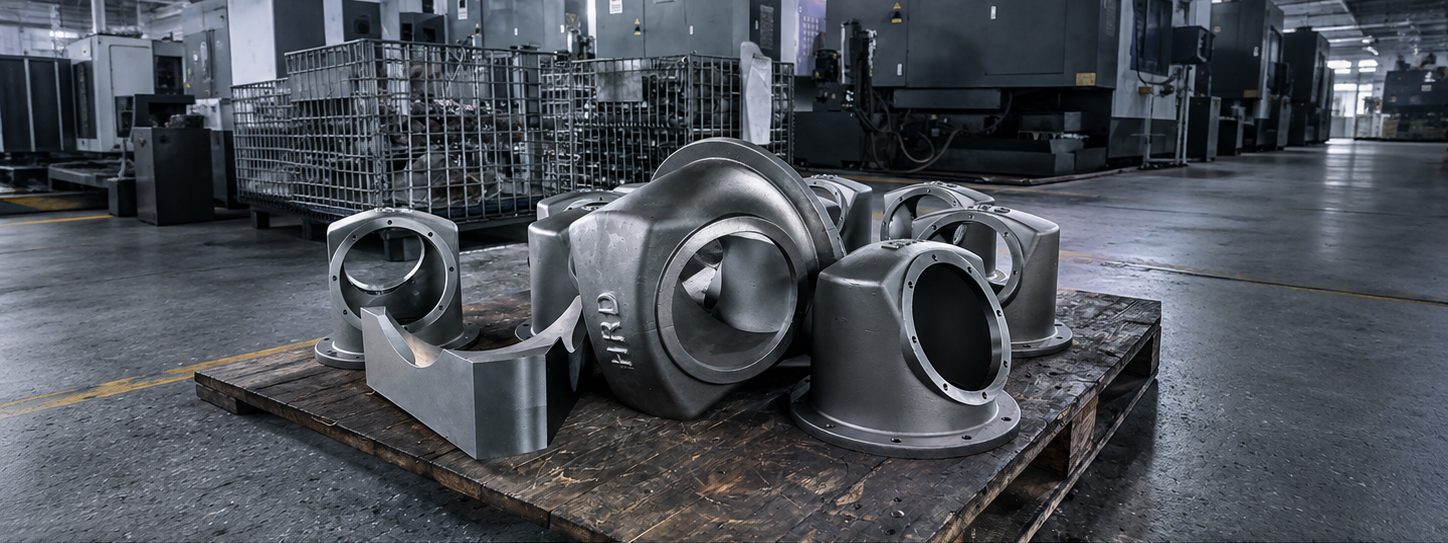
We supply aluminum and steel cast blanks only as part of a complete route: model preparation, casting, stabilization, machining, inspection, and verification of functional requirements.
01 / Position
A casting is not yet a finished part.
The cast surface does not define precision datums, fits, planes, or channels. Every casting we supply therefore receives the machining required by the drawing.
We do not separate blank defects from finished-part performance. For the customer, it is one route and one responsibility.
02 / The route
The casting route
Model review
We assess wall thicknesses, transitions, draft, risk zones, machining allowances, and access to finished surfaces.
Casting process
The method is selected for the material, geometry, batch size, and functional requirements.
Trial casting
Fill, visible defects, and geometry are evaluated before serial launch.
Machining
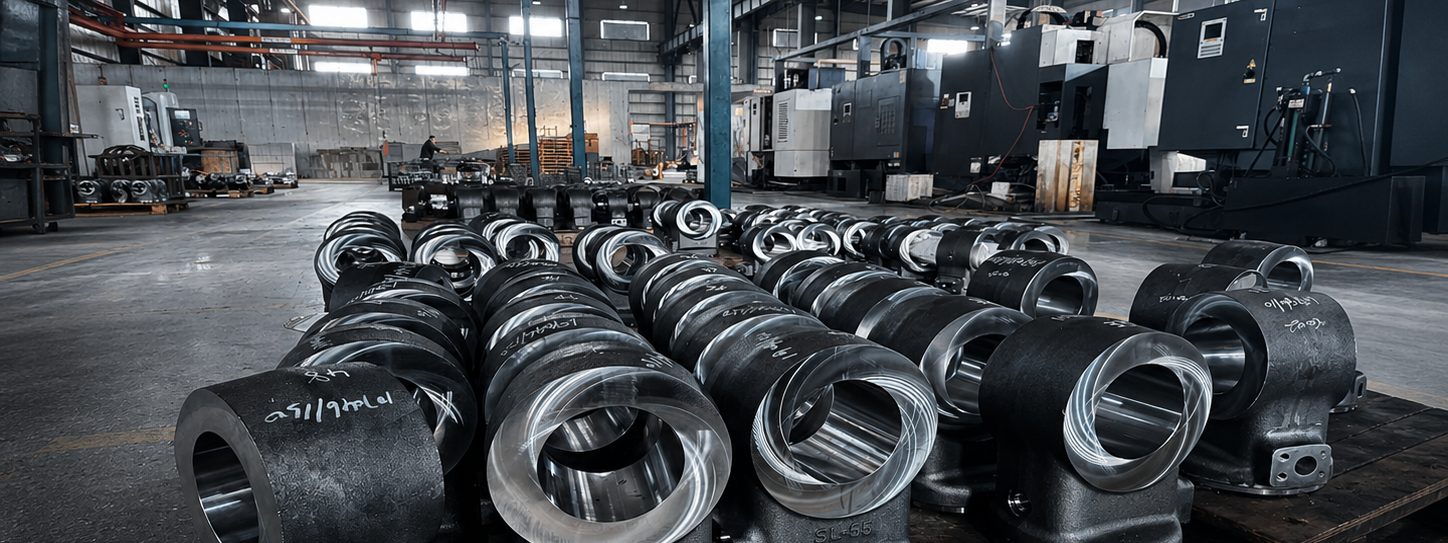
Datums, mounting planes, holes, threads, channels, and sealing surfaces are produced to the drawing.
Functional verification
Dimensions are inspected and sealed housings are leak-tested to the agreed method.
Protection and packaging
Parts are cleaned, machined surfaces are protected, and the product is prepared for transport without loss of condition.
"It seems not to leak" is not a test method.
03 / Materials and applications
What we cast for
Aluminum alloys
Housings, covers, and components where weight, heat transfer, and machinability matter.
Steel castings
Loaded components and housings where strength, rigidity, and machined working surfaces are critical.
Typical applications
Gear housings, covers, supports, flanged components, sealed cavities, and complex body parts made to customer models.
04 / Risk control
A casting defect costs less when found before finish machining.
Inspection follows the cost of failure. Critical blank risks are checked before expensive machining hours are invested. After machining, dimensions, positional relationships, and functional requirements are verified.